Key Takeaways
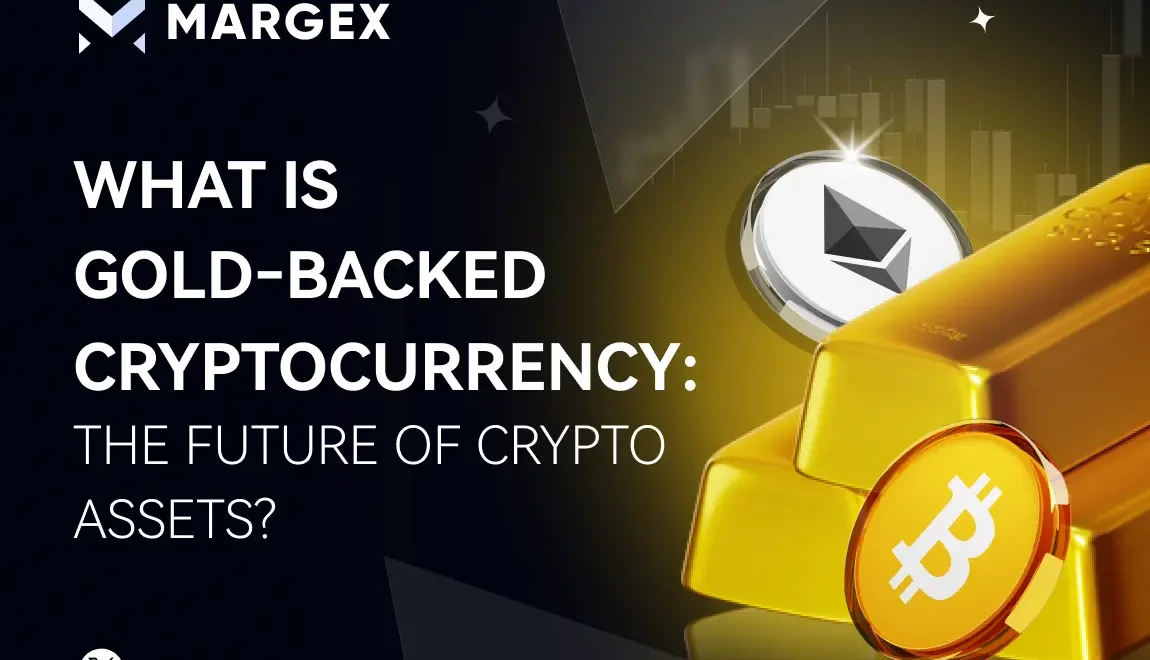
- Definition – A gold-backed cryptocurrency is a digital token or stablecoin that is pegged to a specific amount of real physical gold. A token is usually one troy ounce of gold or one gram kept in safe deposit boxes. Since the price of all tokens is pegged by a real metal reserve, the price of a token is likely to follow the price of gold.
- Growing popularity – The tokenized gold market had a market size of approximately 2.57 billion dollars in September 2025, and this growth was fuelled by the need for investors to find a refuge in an uncertain economy. The majority of that development was driven by two market leaders, Tether Gold (XAUT) and PAX Gold (PAXG). In August 2025, Tether issued 129,000 new XAUT tokens, which included about 437 million worth of supply.
- Advantages – Gold-backed cryptocurrencies are more stable as compared to uncollateralized electronic coins. As far as they are gold-linked, the base value is pegged to gold, specifically 1 g of gold. They are able to serve as a buffer against inflation and exposure to the unstable crypto market. They also enable 24/7 trading of precious metals worldwide with fractional ownership without the need to physically handle the bullion.
- Risks – Investors need to believe that issuers do have adequate reserves. Reserve audit questions, regulatory questions and counterparty risk questions remain. Some tokens may not be liquid because trading volumes may be less than those of mainstream cryptocurrencies. Since tokens are pegged to the price of gold, they will not give disproportionate returns in crypto bull markets.
- Examples – PAX Gold (PAXG), Tether Gold (XAUT), GoldCoin (GFC), Kinesis Gold (KAU), Meld Gold (GOLD$), tGOLD (TXAU), and Comtech Gold (CGO) are major gold-backed tokens. Others, such as Perth Mint Gold Token (PMGT) have been abandoned.
- Comparison to fiat-stablecoins – Both dollar-pegged stablecoins and gold-backed tokens are intended to decrease volatility. Gold-backed tokens are based on the value of a commodity that changes in price, and USD stablecoins such as USDT, USDC are pegged to fiat currencies and therefore are more stable in U.S. dollar terms. Gold-pegged tokens will increase with an appreciation of gold, but will not perform well when gold goes down.
- Investment outlook – PAXG and XAUT dominate the gold-backed industry in 2025 with more than 90 percent market share. The analysts assume that the demand for gold-linked digital assets will increase as physical assets relocate on-chain, but before making purchases, investors need to study audits, redemption, and charges.
What Is PAXG? The Leading Gold-Backed Crypto Explained
PAXG (PAX Gold) is an ERC-20 token issued by Paxos Trust Company, where each token represents one troy ounce of physical gold held in Brink’s vaults in London. It is the most regulated gold-backed cryptocurrency, operating under a New York State Department of Financial Services (NYDFS) license.
- 1 PAXG = 1 troy ounce (31.1g) of physical gold
- Storage: Brink’s vaults, London — fully audited
- Issuer: Paxos Trust Company — NYDFS licensed
- Blockchain: Ethereum (ERC-20)
- Redeemable: holders can redeem PAXG for physical gold bars under certain conditions
PAXG price tracks the spot price of gold in real time. You can trade PAXG/USDT perpetual futures on Margex 24/7 — going long if you expect gold to rise, or short if you expect a correction.
Advantages and Risks of Gold‑Backed Cryptocurrencies
Why investors like gold‑backed tokens
Gold-backed cryptocurrencies offer a unique investment opportunity by providing stability in the volatile cryptocurrency markets. These digital assets are often pegged to physical gold, ensuring that their value remains closely tied to the price of gold. Stablecoins like Tether Gold and Paxos Gold exemplify this trend, as they are designed to maintain a fixed value based on the underlying physical gold they represent. During economic uncertainty, such as the COVID-19 pandemic, gold-backed stablecoins demonstrated their potential as a reliable store of value. With the performance of five gold-backed stablecoins showcasing their resilience, investors can compare these tokens for physical gold to traditional cryptocurrencies, appreciating their properties as a safe haven in turbulent times.
Fractional ownership and accessibility – To purchase physical bullion, large amounts of capital and space are usually needed. The entry barrier is reduced since people can own fragments of an ounce or a gram in gold-backed tokens. Every token is a fractional ownership of gold bars deposited by the issuer. The tokens may be split into small units, making the investments or payments small.
Pro tip: To amass small amounts of what some people refer to as digital gold, you can establish recurring payments of a gold token on an exchange with an option to dollar-cost average.
Risks and considerations of gold‑backed cryptocurrencies
Custodial and auditing risk – Investors count on the issuers to keep and protect the gold reserves. In the absence of transparent audits, there is a danger of inadequate support for gold-backed crypto. Blocktrade cautions that questions regarding reserve auditing and accuracy of gold-backed stablecoins during the covid-19 remain. Some provide real-time auditing feeds, others periodically only. Whenever you are buying a gold-backed crypto token, make sure its reserves are certified by independent auditors.
Poor performance relative to other cryptos – Gold-backed tokens are designed to follow the price of gold instead of providing supersized returns. Pure crypto-assets such as Ethereum and Bitcoin tend to perform well when the wider crypto market performs well. On the other hand, the performance of gold-pegged tokens can suffer in case gold prices do not increase or even decrease.
Redemption and withdrawal conditions – not every token can be converted into physical gold. Others have minimum redemption requirements or processes. As an example, Comtech Gold will demand that holders have 1000 tokens (one kilogram of gold) to exchange with bullion.
Learn the conditions and terms of redeeming tokens always.
What Are the Best Gold‑Backed Cryptocurrencies in 2026?
Not all gold-backed cryptocurrencies are created equal. They vary in the technology behind them, issuer reputation, redemption choice, and regulatory status of gold-backed cryptocurrencies during the covid-19. Some of the most noticeable tokens are listed below as of September 2025.
Best Gold-Backed Cryptocurrencies Compared (2026)
| Token | Issuer | Backing | Market Cap | Key feature |
| PAXG | Paxos | 1 troy oz gold | ~$700M+ | NYDFS regulated, fully audited, most liquid |
| XAUt (Tether Gold) | Tether | 1 troy oz gold | ~$600M+ | Swiss vault storage, physical delivery possible |
| CACHE Gold (CGT) | Cache | 1g gold | Small | Smaller denominations, more flexible |
| DGX (Digix Gold) | Digix | 1g gold | Small | Ethereum-based, decentralised |
Gold-Backed Crypto vs Physical Gold — Pros and Cons
| ✅Advantages | Disadvantages | |
| Gold-backed token | 24/7 tradeable, no storage costs, divisible, instant transfer | Issuer/counterparty risk, technical complexity |
| Physical gold | No counterparty risk, millennia of track record | Storage costs, illiquid, not divisible, transport risk |
| Gold ETF | Easy access, regulated, liquid | Annual management fees, no 24/7 trading |
Trade PAXG and gold-backed crypto on Margex — Open Margex
FAQs
What crypto is gold backed?
A gold‑backed cryptocurrency is any digital asset that links each token to a set quantity of physical gold stored in secure vaults. Well‑known examples include PAX Gold (PAXG), Tether Gold (XAUT), Kinesis Gold (KAU), GoldCoin (GFC), Meld Gold (GOLD$), tGOLD (TXAU) and Comtech Gold (CGO). These tokens are sometimes called gold‑backed stablecoins because their prices mirror gold. Always verify that the issuer conducts regular audits and allows redemption for physical gold.
Is gold‑backed crypto a good investment?
Gold‑backed cryptocurrencies can be a useful tool for diversifying a portfolio and hedging against inflation. Because their value reflects the price of gold, they tend to be less volatile than unbacked cryptos. Blocktrade notes that their stability and fractional ownership make them an appealing entry point for investors who find standard cryptocurrencies too risky. However, these tokens come with risks: reliance on the issuer’s custody and auditing, limited liquidity for some projects, and potential underperformance when other digital assets rally, particularly gold and bitcoin. As with any investment, research the project’s transparency, regulatory compliance, and redemption policies before committing funds. And remember that this article does not constitute financial advice.
What can gold‑backed tokens be used for?
Gold-backed tokens, such as tether gold and pax gold, serve multiple purposes:
- Store of value – They provide exposure to gold’s historical role as a safe‑haven asset.
- Medium of exchange – Because they operate on blockchains like Ethereum and Algorand, tokens can be transferred quickly and at low cost, making them useful for cross‑border payments.
- Collateral in DeFi – Some decentralized finance platforms accept gold‑backed tokens as collateral for loans or yield‑generating strategies. They bring the stability of gold into digital asset lending markets.
- Diversification tool – Investors use them to diversify portfolios that may otherwise be heavily weighted toward fiat currencies or volatile cryptocurrencies. Blocktrade emphasises that gold‑backed tokens allow people to participate in blockchain ecosystems while reducing volatility.
Is XRP crypto backed by gold?
No. XRP is a digital currency used for cross‑border payments and runs on the XRP Ledger. It is not collateralized by gold or any other physical asset. Ripple states clearly that “XRP is not backed by gold or any other physical asset. XRP’s value derives from market demand and its utility as a bridge currency for moving value across different fiat currencies. Myths about XRP being “backed by gold” have circulated online, but reputable sources confirm there is no such backing.